Remixing posts that took off, without copying them


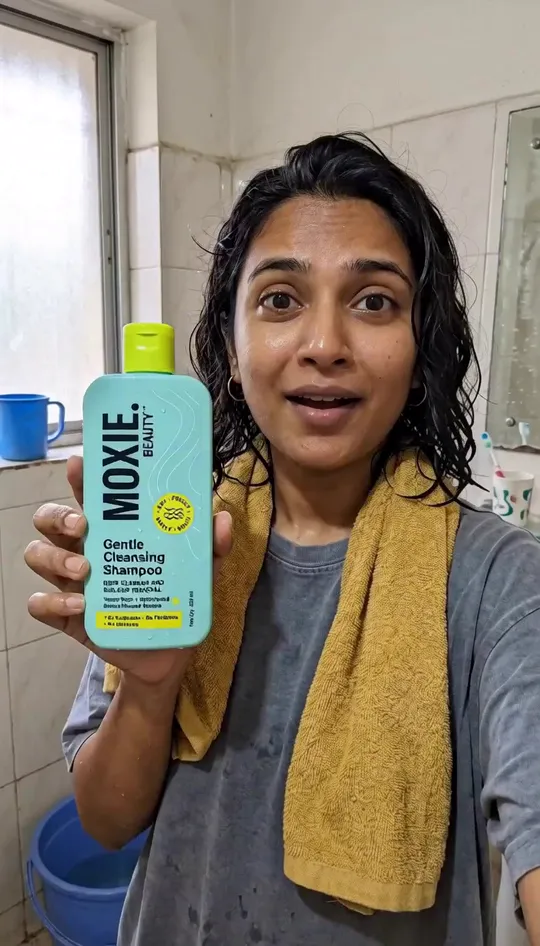
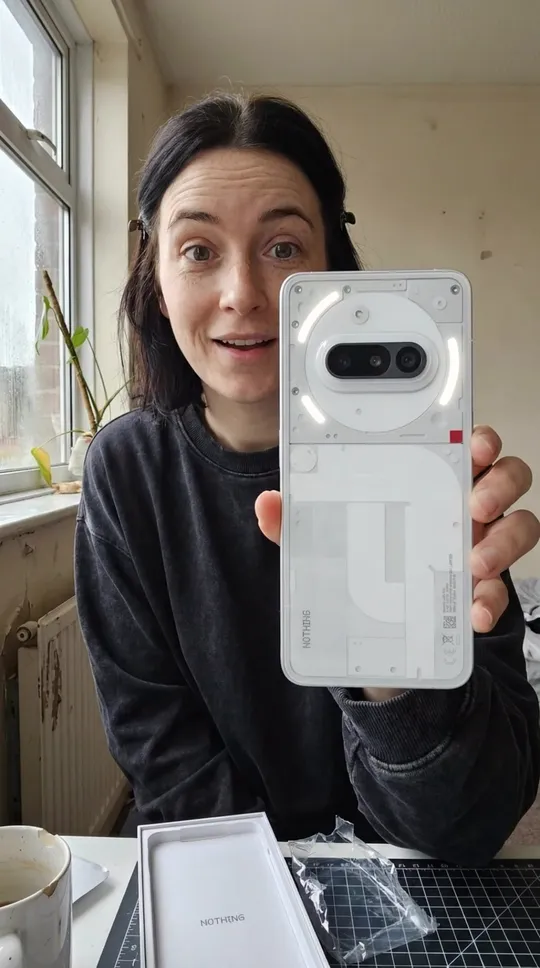
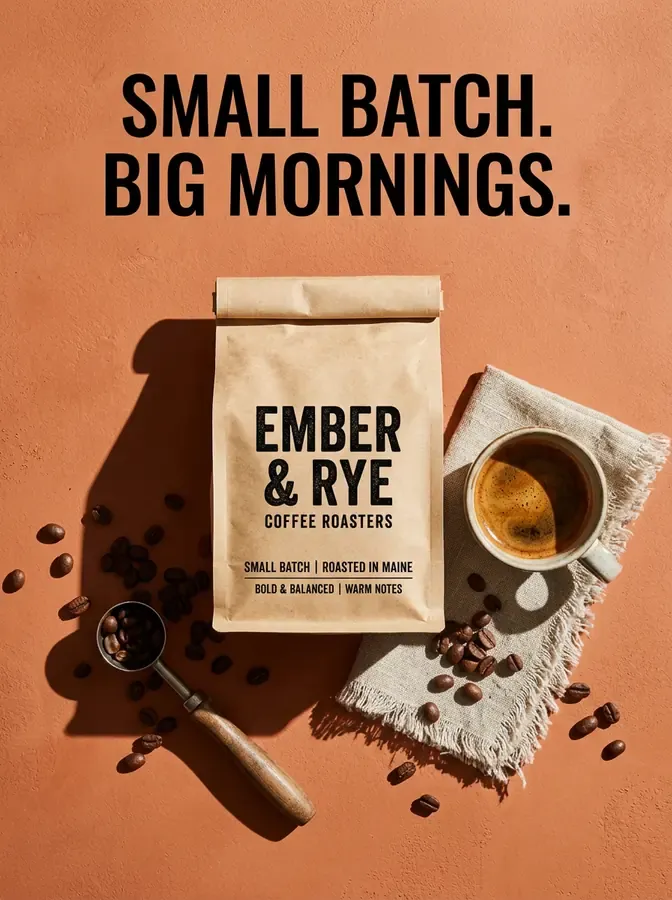
When a post format takes off, it’s usually the shape that worked, not the specific video. The rhythm of the cuts, the timing of the text, the sound everyone recognises. Remixing means reusing that shape with your own story inside it.
What a remix keeps
- The structure. Setup, turn, payoff, in the same order and roughly the same timing.
- The sound and rhythm. Trending audio is part of why the format spreads, so the remix keeps it.
- The format. A wall of text stays a wall of text. A slideshow stays a slideshow.
What a remix changes
- The words. Rewritten for your brand, in your brand’s language, about your customers.
- The subject. Your product, your customer’s moment, your world.
- The footage. Never someone else’s clip. Burst uses clips from Mani’s library or your own uploads.
If a viewer could mistake your remix for the original post, it’s a copy. If they recognise the format but the story is clearly yours, it’s a remix.
How Burst does it
About half of every Burst deck remixes posts that did well, with the same sound and rhythm, rewritten for your brand. The other half is made fresh from your customer moments.
You choose the balance. The mix slider in Burst settings runs from all fresh to all remixed, and you can switch formats off if they don’t suit your brand.
When to lean on remixes
- New accounts. Formats the audience already knows lower the cost of a first view.
- Slow weeks. When there’s no launch to talk about, remixes keep the feed moving.
- Testing. Watch which remixed formats your audience finishes, then make more fresh posts in that shape.
When to go fresh
Lean toward fresh posts when you have news, a launch or a story only you can tell. Remixes are good at reach. Fresh posts are good at making people remember you.
Most brands settle somewhere around half and half, which is where Burst starts.
Keep reading
- Organic growth
How to post every day without filming a thing